
As a crucial device for assessing skeletal health, the application of bone densitometers extends far beyond osteoporosis screening. It encompasses the entire process of bone health management, monitoring of special populations, evaluation of clinical treatment efficacy, and auxiliary diagnosis across multiple disciplines. Reliable detection data forms the core prerequisite for clinical application. This demands that equipment manufacturers consistently prioritize clinical needs, continuously optimizing detection accuracy, population adaptability, and operational compliance to provide stable technological support for medical institutions. Starting from the practical needs of medical institutions and considering the technical characteristics of the devices, the following outlines their core expanded applications, offering professional support for device utilization:
1. Early Screening and Stratified Management of Abnormal Bone Mass
Screening and Intervention for Osteopenia: Targeting high-risk groups such as individuals over 40, postmenopausal women, and elderly men, bone density testing identifies the “osteopenia” state, providing a basis for early clinical intervention (e.g., nutritional guidance, exercise prescriptions) to reduce the risk of progression to osteoporosis. Reputable manufacturers achieve precise adaptation to different age groups by optimizing detection algorithms and probe design, ensuring the reliability of early screening data.
Bone Health Assessment in Children and Adolescents: By measuring forearm bone density, this assesses bone mass accumulation in children, screens for issues like low bone mass and delayed bone development, and provides data support for monitoring growth and development. Considering the specific needs of pediatric testing, manufacturers focus on optimizing operational convenience and detection safety in device design to avoid causing discomfort in children while meeting the high-frequency testing demands of pediatric clinics.
Bone Mass Monitoring in Special Populations: For patients on long-term medication or those with chronic diseases, regular bone density monitoring tracks changes, enabling timely adjustment of treatment plans to prevent bone loss caused by drugs or the disease itself. By enhancing device stability and data reproducibility, manufacturers can support long-term dynamic monitoring scenarios, ensuring comparability of results across different time points and providing a credible basis for clinical plan adjustments.
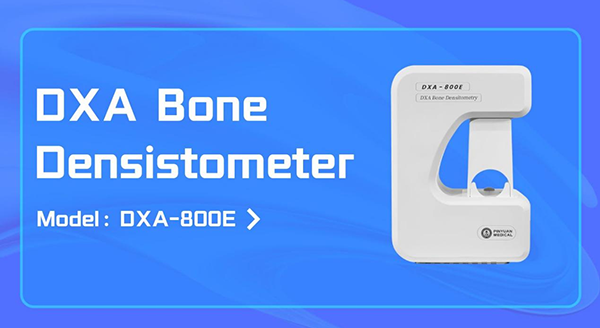
2. Fracture Risk Prediction and Clinical Decision Support
Osteoporotic Fracture Risk Assessment: Combining bone density T-scores with factors like age, gender, prior fracture history, and smoking/alcohol use, bone density testing helps predict fracture risk, providing a basis for developing individualized prevention and treatment plans. Compliant manufacturers strictly adhere to relevant national medical device standards, ensuring the compatibility of device results with clinical assessment models, thereby enhancing the reference value of risk predictions.
Preoperative Bone Health Assessment: For orthopedic surgery patients, preoperative bone density testing evaluates bone load-bearing capacity. For gynecological and endocrinological surgery patients, preoperative bone mass assessment allows for early planning of post-operative bone health protection measures. Manufacturers consider the clinical needs of various departments during R&D, optimizing testing workflows and report output formats. This enables medical staff across departments to quickly access key data, improving preoperative assessment efficiency.
3. Quantitative Monitoring of Treatment Efficacy and Protocol Optimization
Evaluation of Osteoporosis Treatment Efficacy: For patients diagnosed with osteoporosis and undergoing drug therapy, bone density re-examination every 6-12 months, by comparing changes in bone density values, determines treatment effectiveness and guides timely medication adjustments. Through technological upgrades, manufacturers achieve precise quantification of detection data, supporting the scientific calculation and presentation of bone density changes. This aids clinicians in visually judging treatment outcomes.
Monitoring Bone Mass Recovery During Rehabilitation: For individuals post-fracture surgery, during rehabilitation, or on prolonged bed rest, regular bone density monitoring assesses the impact of rehabilitation training on bone mass, optimizing recovery plans. Considering the usage needs in rehabilitation settings, manufacturers emphasize device mobility and operational convenience. Some devices can be adapted for bedside testing, meeting the special requirements of rehabilitation patients.
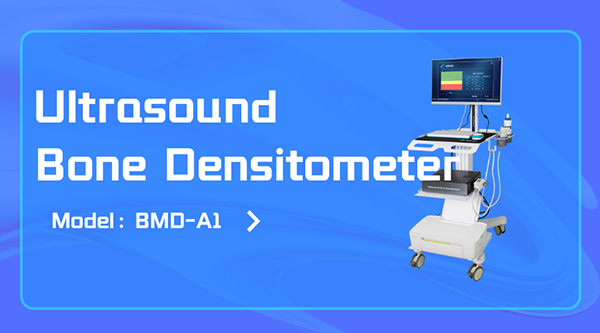
4. Bone Health Monitoring During Special Physiological Stages
Bone Health Assessment During Pregnancy/Lactation: Pregnant and lactating women have increased calcium demands, and some may experience temporary bone loss. Ultrasound bone density testing safely assesses bone density changes, guiding nutritional supplementation during pregnancy. In developing ultrasound bone densitometers, manufacturers strictly control detection safety to avoid radiation effects while optimizing detection accuracy, ensuring reliable data during this special stage.
Geriatric Syndrome Assessment: Integrating bone density data provides reference for developing comprehensive care plans in geriatrics, helping reduce the incidence of adverse events like falls and fractures. Addressing the testing characteristics of the elderly population, manufacturers optimize device interfaces and testing procedures to reduce difficulties in patient cooperation. They also ensure device stability in high-frequency use scenarios, adapting to the clinical workflow demands of geriatric departments.
Post time: Jan-08-2026