
Osteoporosis is a systemic bone disease characterized by low bone mass and destruction of bone microstructure. It significantly increases the risk of fractures and has become an important health issue affecting the quality of life of middle-aged and elderly people. In the full-process management of osteoporosis prevention, diagnosis, treatment and follow-up, dual-energy X-ray absorptiometry (DXA) has provided significant support for clinical practice with its precise and efficient technical features.
1. Early Screening and Risk Assessment
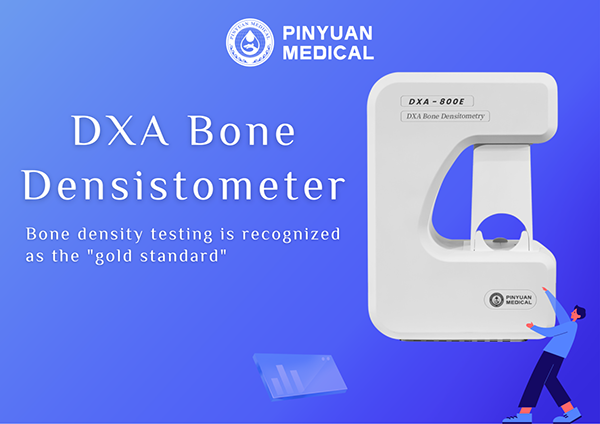
Early detection of osteoporosis is the first step in effective management. The dual-energy X-ray bone densitometer precisely measures bone mineral density (BMD) by penetrating the bone with X-rays of two different energies. It is currently the internationally recognized gold standard for bone density testing. The test results can be used to assess the risk level of osteoporosis and help doctors identify high-risk groups. In addition, by integrating clinical risk factors such as age, gender, and family history, DXA test data can provide a basis for formulating personalized testing plans, facilitating early detection and early intervention.

2. Precise Diagnosis and Grading
During the diagnostic stage, dual-energy X-ray bone densitometers can provide objective and quantified bone density data, offering a core basis for the diagnosis and severity classification of osteoporosis. The diagnostic criteria recommended by the World Health Organization (WHO) are based on the results of DXA measurements. By scanning and analyzing the forearm, doctors can accurately determine whether the patient has osteoporosis or its early stage – reduced bone mass, thereby laying the foundation for subsequent treatment decisions.
3. Treatment Decision-making and Plan Formulation
Based on the test results of DXA, doctors can formulate more targeted treatment strategies. For confirmed patients, bone density data combined with clinical information (such as fracture history, laboratory tests, etc.) is helpful for assessing the risk of fractures and determining whether drug intervention is needed. Meanwhile, DXA can also be used to monitor the impact of certain drugs (such as glucocorticoids) on bones, providing a reference for adjusting treatment plans and enhancing the accuracy and safety of treatment.
4. Long-term Follow-up and Therapeutic effect Monitoring
The treatment of osteoporosis is a long-term process. Regular assessment of changes in bone density is of great significance for judging the therapeutic effect and adjusting the treatment plan. The dual-energy X-ray bone densitometer features high accuracy and stability, and can sensitively capture the minute changes in bone density. Through regular follow-ups, doctors can objectively assess the treatment response, promptly identify issues related to drug tolerance or compliance, and provide dynamic health management advice to patients.
5. Synergy in Comprehensive Management
In the full-process management of osteoporosis, dual-energy X-ray bone densitometers can also be combined with other examination methods (such as bone metabolism marker detection, imaging examinations, etc.) to form a multi-dimensional assessment system. This multi-technology collaborative model helps to enhance the comprehensiveness and scientific nature of osteoporosis management.
The Pinyuan dual-energy X-ray bone densitometer, with its reliable detection performance and wide application value, plays a significant role in the early screening, diagnosis, treatment and long-term follow-up of osteoporosis. By integrating it into the full-process management path, clinical workers can more effectively identify risks, formulate strategies, and monitor therapeutic effects, thereby providing patients with more systematic and personalized bone health management services and helping to enhance the overall prevention and treatment level of osteoporosis.
Post time: Dec-03-2025